Datça
Discover Datça, a gem at the meeting point of the Aegean and Mediterranean seas. Learn about the history, geography, and unique atmosphere of this untouched corner of Turkey.
Discover Datça: more than a resort
Datça: Where Two Seas Meet
The Datça Peninsula is a narrow, 80 km long strip of land that cuts through the water like a dagger, separating the Aegean Sea to the north and the Mediterranean Sea to the south. This is a place with a unique atmosphere, untouched nature, and a rich history, which the ancient Greeks believed was created by the god Zeus himself.
Geography and Nature
Unlike the busier resorts, Datça has preserved its pristine beauty. Here you will find:
- Rocky hills covered with pine forests that slope down to the sea.
- Endless olive groves and almond trees, whose blossoming in February turns into a real festival.
- Air filled with the scents of thyme, rosemary, and sage.
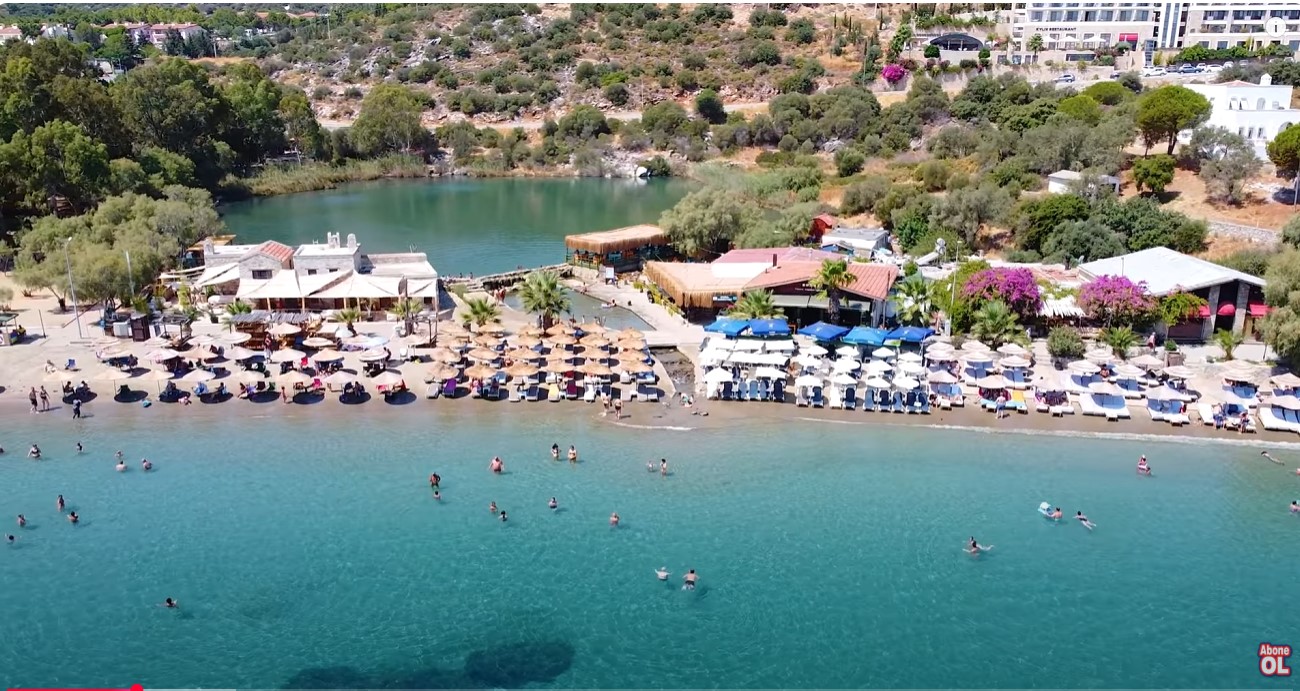
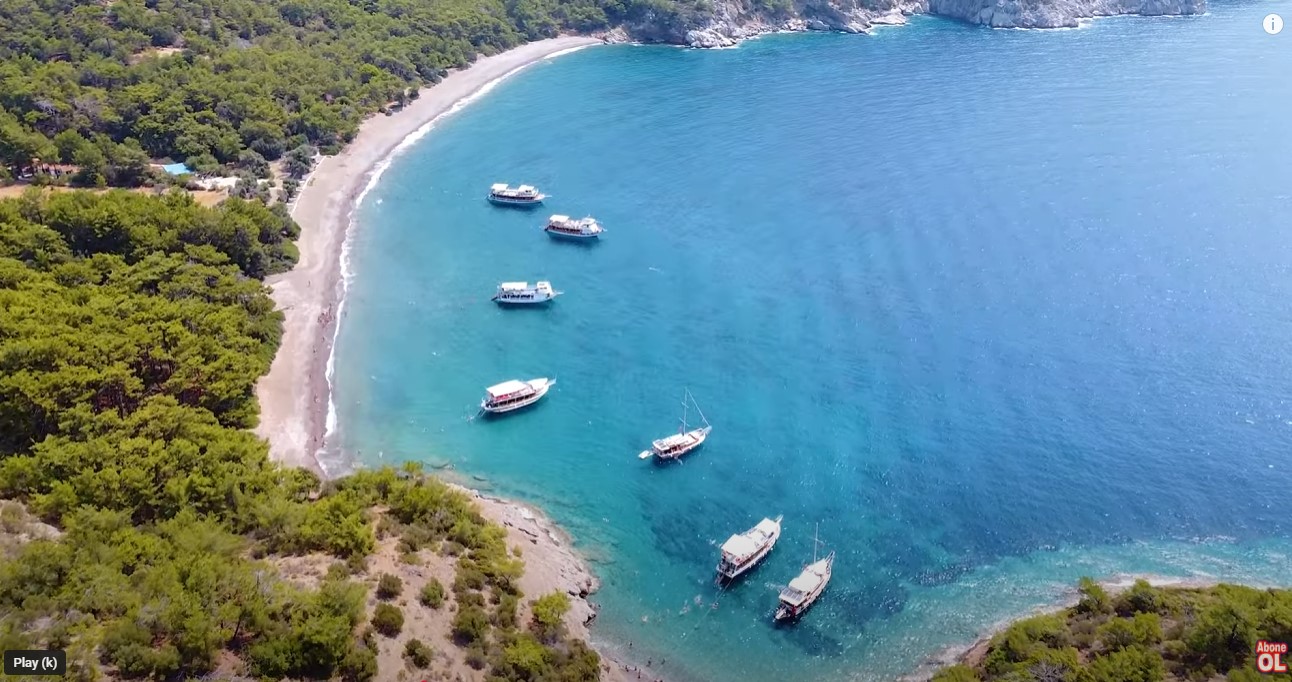
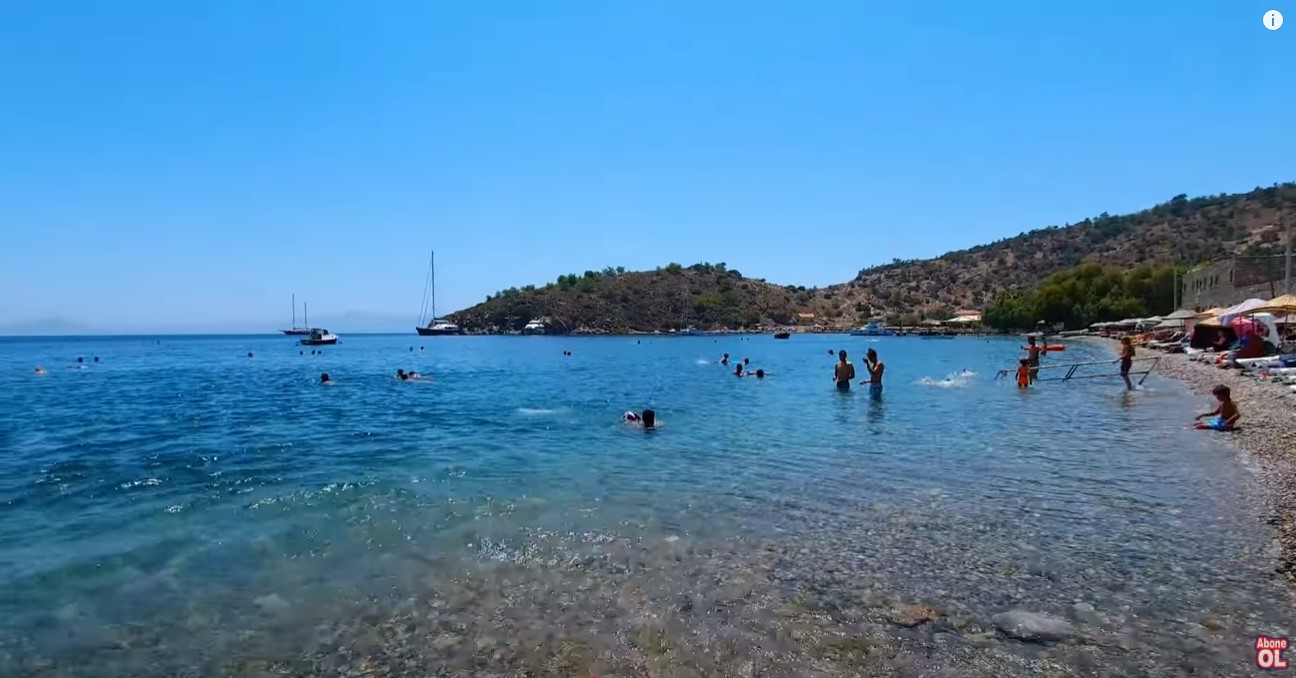
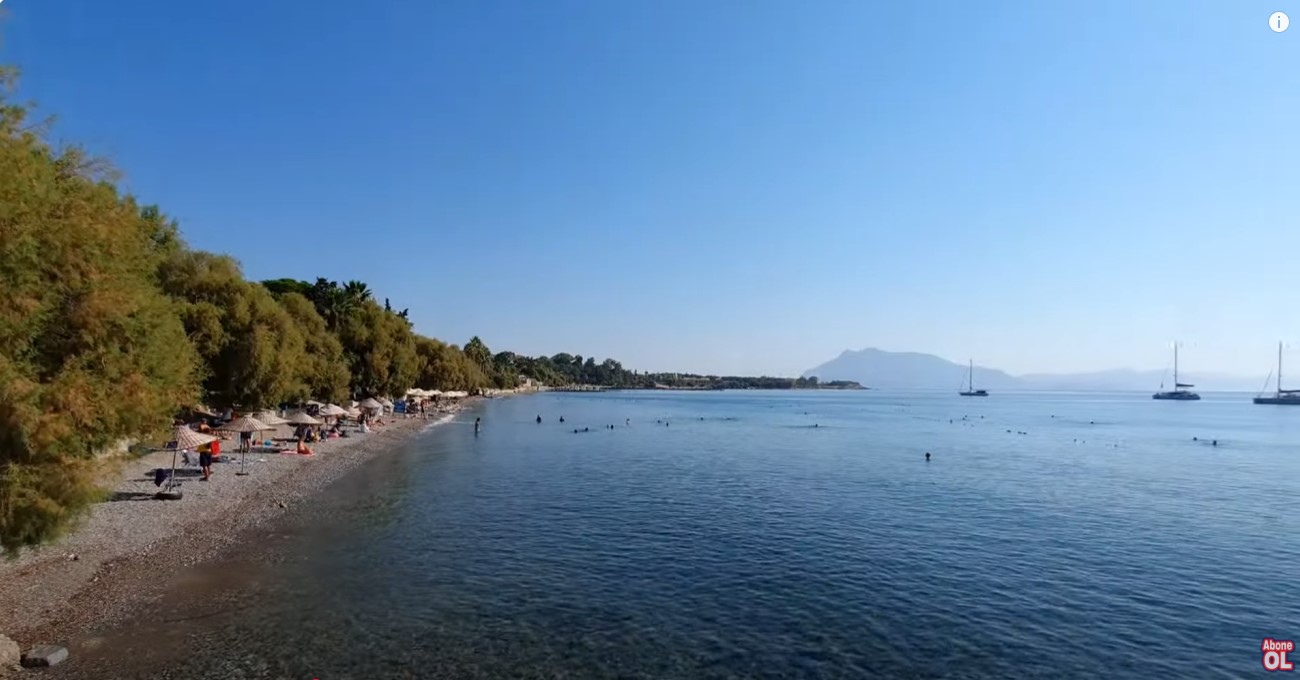
- More than 50 virgin bays and beaches with crystal clear turquoise water.
The geographer Strabo wrote: "God sends his most beloved servants to Datça so they can live longer." Indeed, the tranquility and clean air of this place bring a sense of peace and health.
Old Town and New Town
Datça is conventionally divided into two main parts:
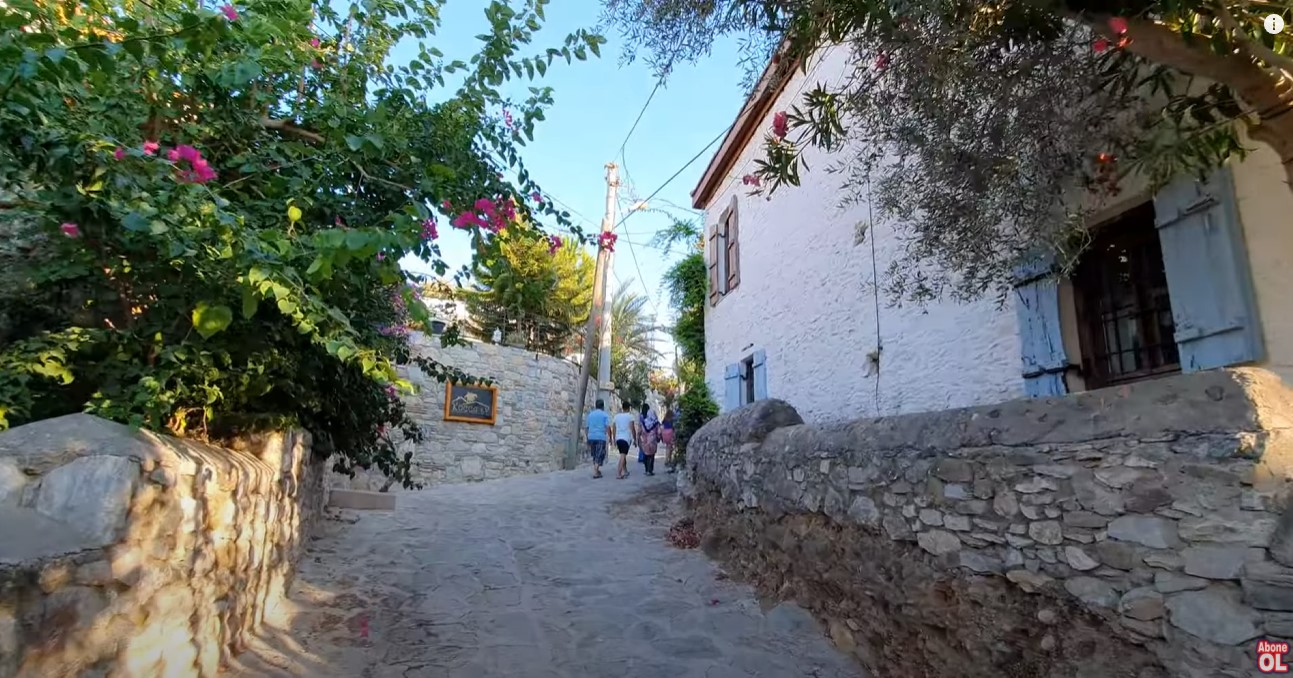
Eski Datça (Old Datça) This is the heart of the peninsula, located inland from the coast.
- Atmosphere: Cobblestone streets, restored stone houses covered in bougainvillea flowers create a unique atmosphere. Many houses have been turned into boutique hotels, cozy cafes, and shops with handmade products.
- Can Yücel's House: Be sure to stop by the house where the famous Turkish poet Can Yücel lived and wrote, celebrating his love for Datça.
Merkez (Center or New Datça) This is the modern administrative and tourist center located on the southern coast.
- What is here: The main harbor, the "Sevgi Yolu" (Love Path) promenade lined with numerous restaurants and cafes, and the small freshwater Lake Ilıca, whose waters are believed to have healing properties.
History
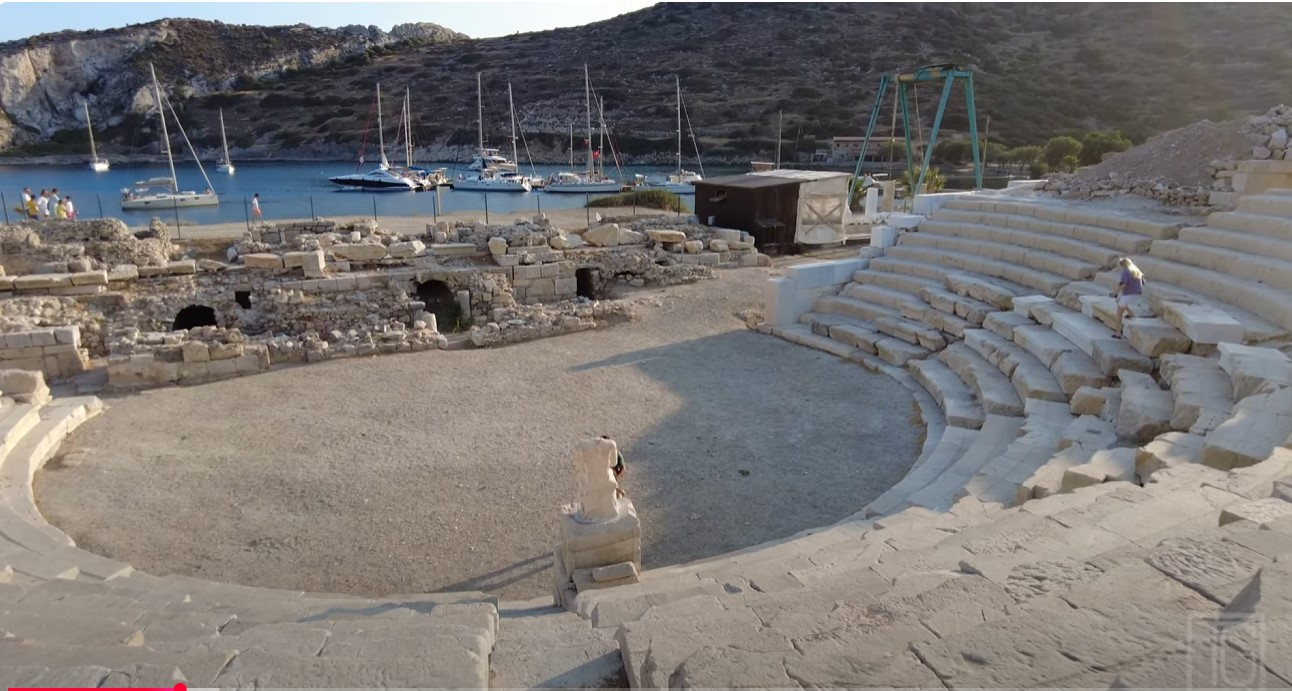
The history of Datça dates back to 2000 BC. The first settlers here were the Carians, and later the Lydians, Persians, Romans, and Byzantines left their mark. The gem of the peninsula is the ancient city of Knidos, located at its very tip. In antiquity, it was a thriving center of science, art, and architecture.
Turquoise Beaches
Open bays and secluded lagoons with crystal-clear water.
Ancient Heritage
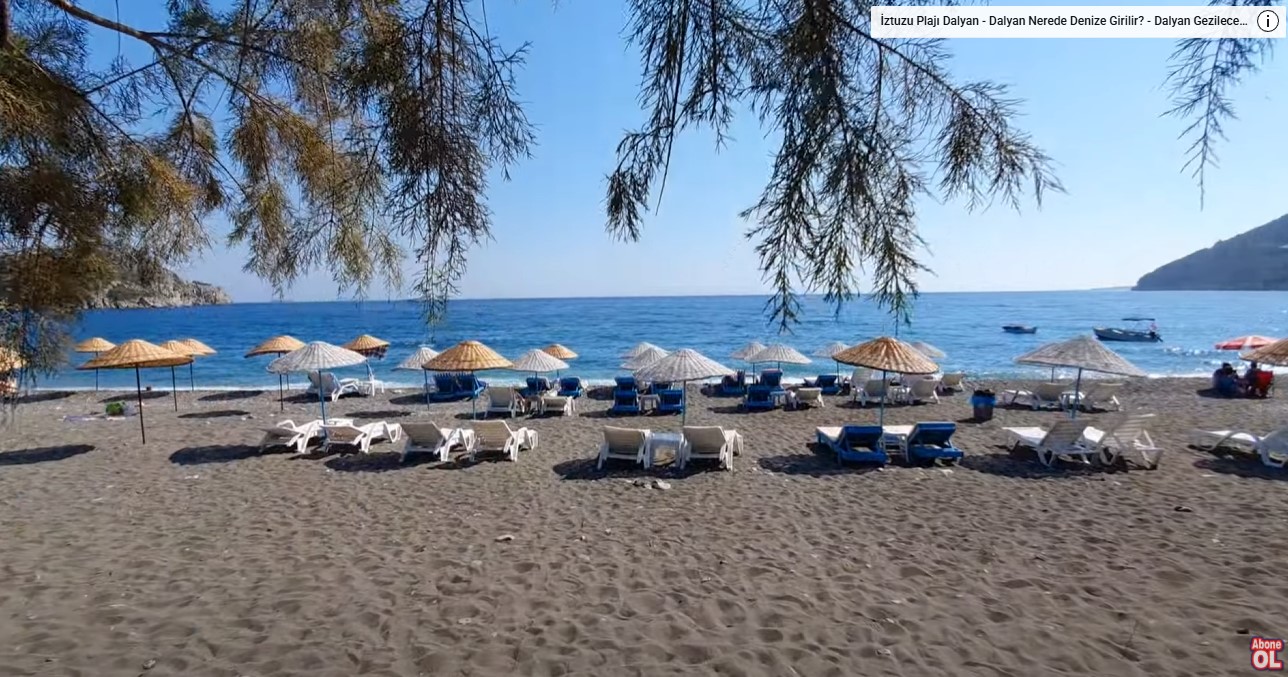
Carian and Lycian cities, amphitheaters, and rock-cut tombs.
How to Get There
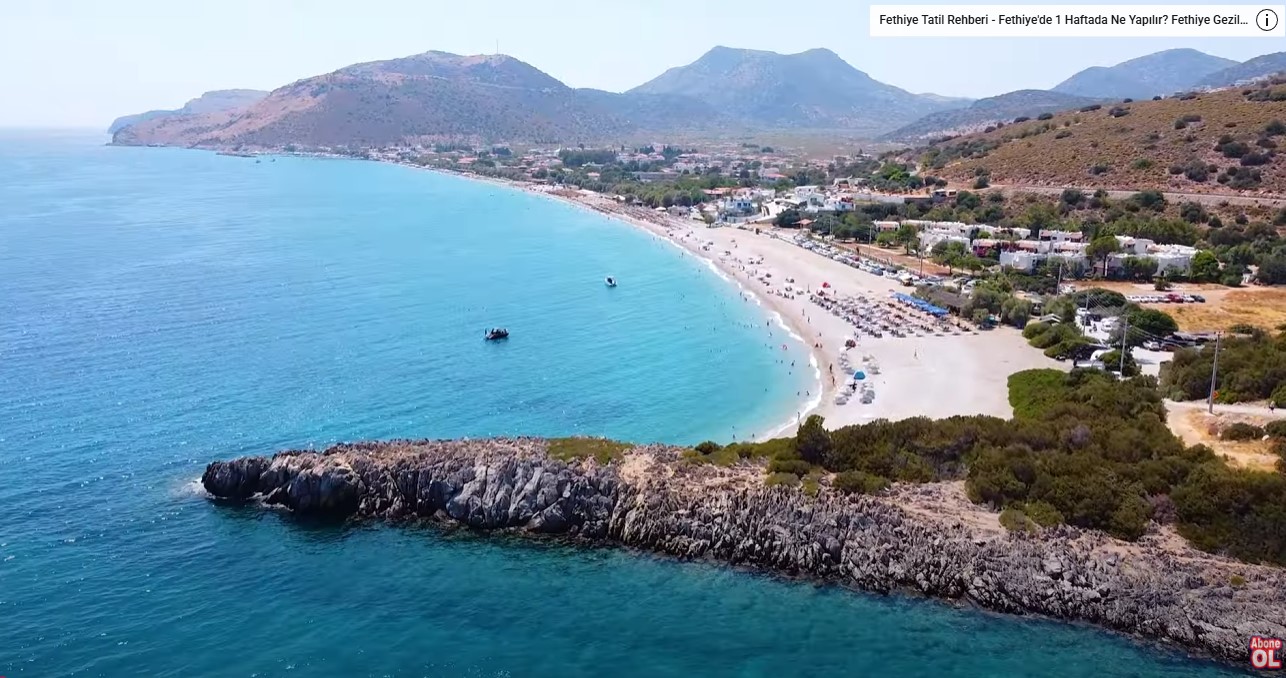
Routes from Dalaman Airport (DLM), intercity buses, dolmuşes, and ferries.
Nearby Gems
Must-visit beaches and landmarks in the area