# Knidos Ancient City (Knidos) — The City of Aphrodite at the Edge of Datça
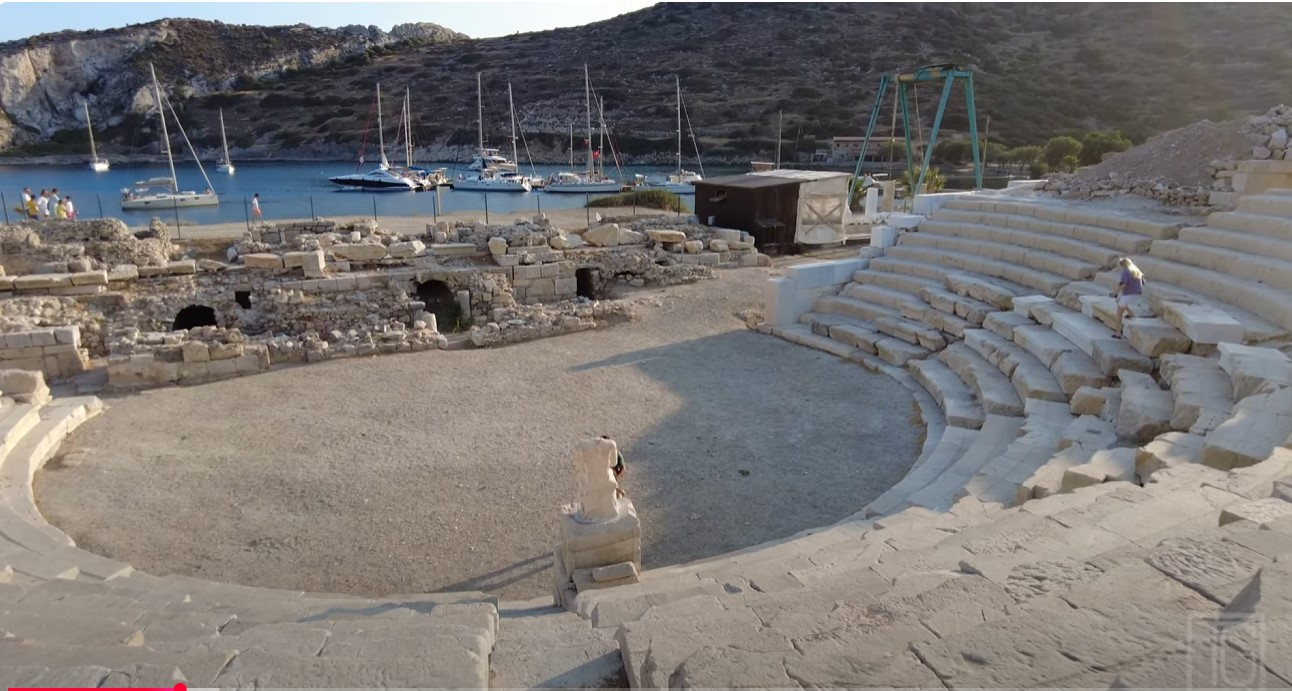
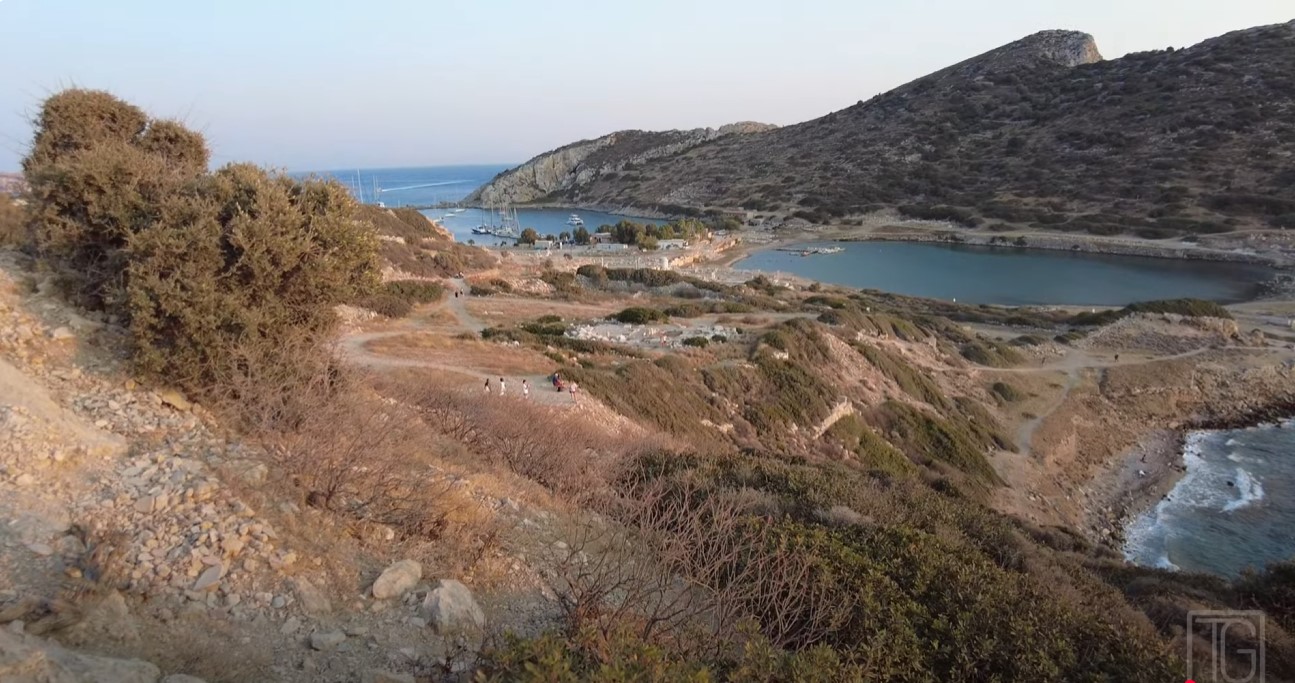
Knidos is an ancient Greek city located at the confluence of the Aegean and Mediterranean seas, famous for its dual harbors and the sanctuary of Aphrodite.
The ruins of this once-prosperous polis lie on the far western tip of the Datça Peninsula. In antiquity, Knidos was a major center for science, trade, art, and architecture.
History and Major Highlights
Knidos was built on terraces cascading down to the sea, utilizing two distinct harbors: a military harbor and a commercial one. The city's primary claim to fame was the circular Temple of Aphrodite, which housed the legendary statue sculpted by Praxiteles — the first life-sized depiction of a nude female form in Greek art. Although the original sculpture has been lost, the town's legacy remains forever tied to this masterpiece.
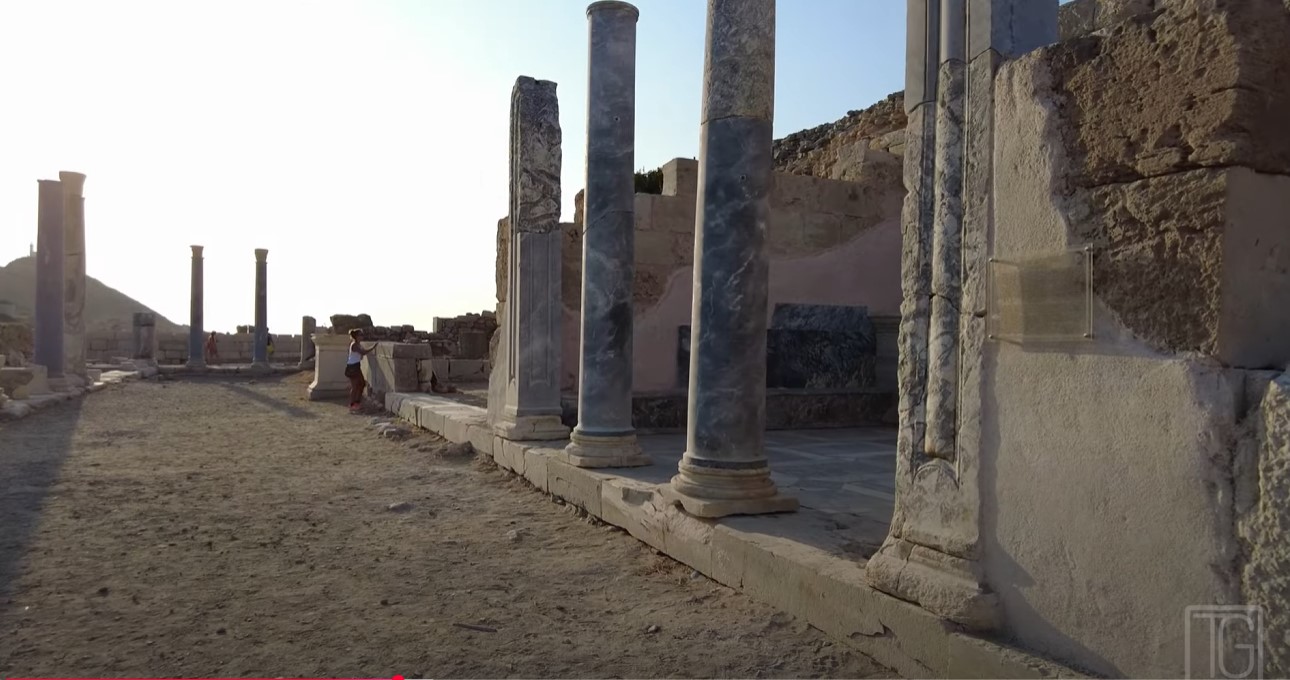
Today, visitors can explore the well-preserved lower amphitheater right by the port, walk along the ancient paved street (Stoa), see the ruins of Byzantine basilicas, and inspect the unique marble sundial created by the famous astronomer Eudoxus. A historic lighthouse stands on a hill in the distance, offering panoramic views of the point where two seas meet.
Practical Information
- Location: Datça Peninsula, Cape Tekir (Tekir Burnu), about 35 km west of Datça town center
- Road: Asphalt (winding and narrow mountain road). Public transport is limited; renting a car or taking a taxi is highly recommended.
- Infrastructure: Parking area, toilets, a small restaurant, and a souvenir shop near the entrance
- Entrance: Paid. The entrance fee for foreign visitors is €5 (free for Turkish citizens with a valid Museum Card)
- Tip: There is almost no shade on the site, so visit early in the morning or late in the afternoon. The sunset by the Knidos lighthouse is one of the most spectacular sights on the peninsula. Wear sturdy walking shoes.